Multi-Omics AI Pipelines & Bioinformatics Automation
Close the gap between raw biological data and actionable insights with scalable pipelines, clean data flows, and AI-powered analysis.




Accelerate scientific discovery with AI-powered knowledge graphs and Graph-RAG systems
AI Models for Multi-Omics Analysis

ML/LLM models trained to detect signals across noisy datasets: biomarker discovery, patient stratification, pathway activation, functional predictions, early target selection.
Automated Multi-Omics Data Ingestion

Standardized ingestion for sequencing, proteomics, metabolomics, imaging, functional assays, structural biology, and clinical metadata – with automated QC and schema alignment.
Reproducible Bioinformatics Pipelines
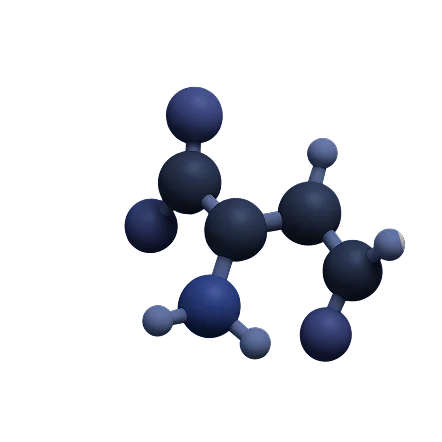
Version-controlled analysis pipelines for RNA-seq, scRNA-seq, bulk RNA, mass-spec proteomics, metabolomics profiling, variant calling, ATAC-seq, and more.
Multi-Omics Data Harmonization
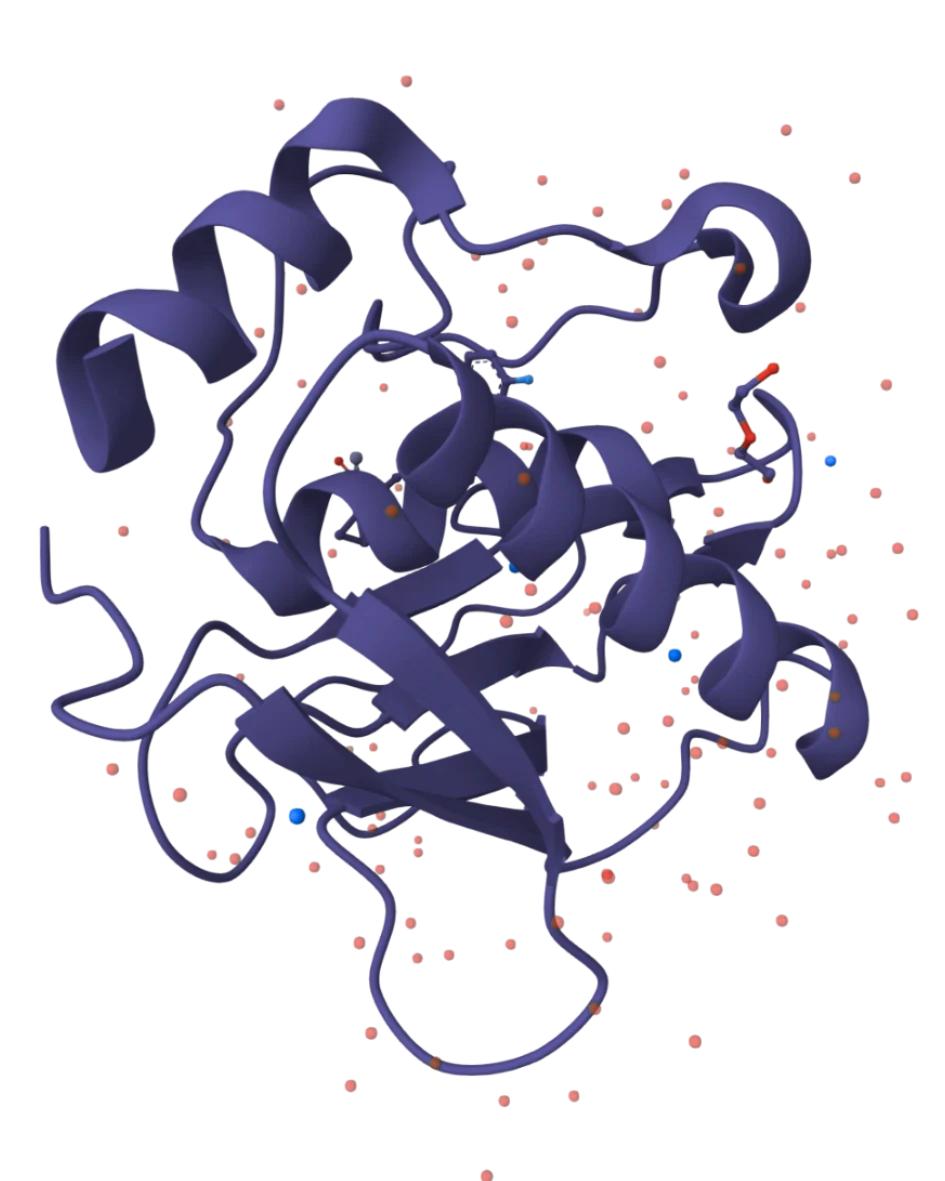
Graph-based alignment and integration of heterogeneous biological layers – enabling cross-modality feature linking (gene → protein → pathway → phenotype).
Automated Reporting & Insight Dashboards
Real-time dashboards for omics insights, experimental interpretation, and decision-making – eliminating manual report generation and Excel-based workflows.
Scientific Data Infrastructure
Compliant (HIPAA/GDPR), secure, scalable infrastructure for multi-omics workflows — including ELN/LIMS integration, automated data marts, and audit-ready lineage.
Key
R&D Challenges We Address
From fragmented omics datasets to unified biology
-
Teams waste weeks merging FASTQs, proteomics tables, assay outputs, and messy spreadsheets.
We automate the entire flow – from raw files to analysis-ready datasets
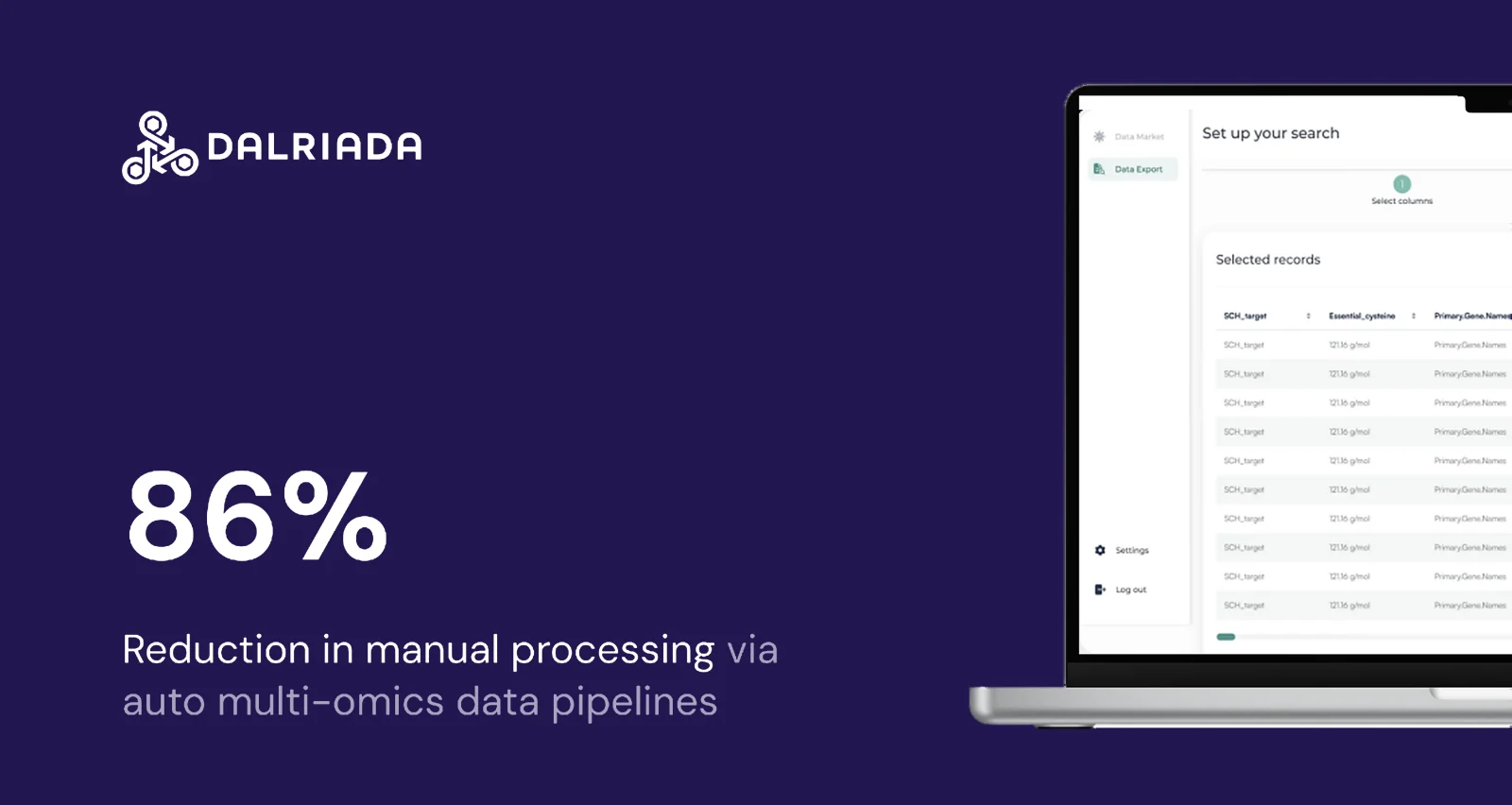
Reducing manual bioinformatics burden
-
Ad-hoc scripts and manual QC slow down R&D by 5–10×.
Our pipelines ensure reproducibility, stability, and compliance.
Accelerating biomarker and target discovery
-
AI surfaces cross-modality signals that humans miss.
Speeding early-stage hypothesis generation and validation
Ensuring data integrity across growing R&D operations
-
When data volume scales, scientific reliability collapses without structured infrastructure.
We build systems that maintain traceability, quality, and version control
Improving decision-making across complex biological programs
-
Multi-omics dashboards give teams real-time insights.
Instead of waiting weeks for analysis reports
Scaling research without scaling human labor
-
As pipelines grow, manually curating and reading data becomes impossible
Continuous ingestion + automated evidence mapping = scalable research ops
Didn’t find exactly what you were looking for?
Tell us what you’re building – we’ll map out the options, evaluate feasibility, and recommend the optimal technical pathway.
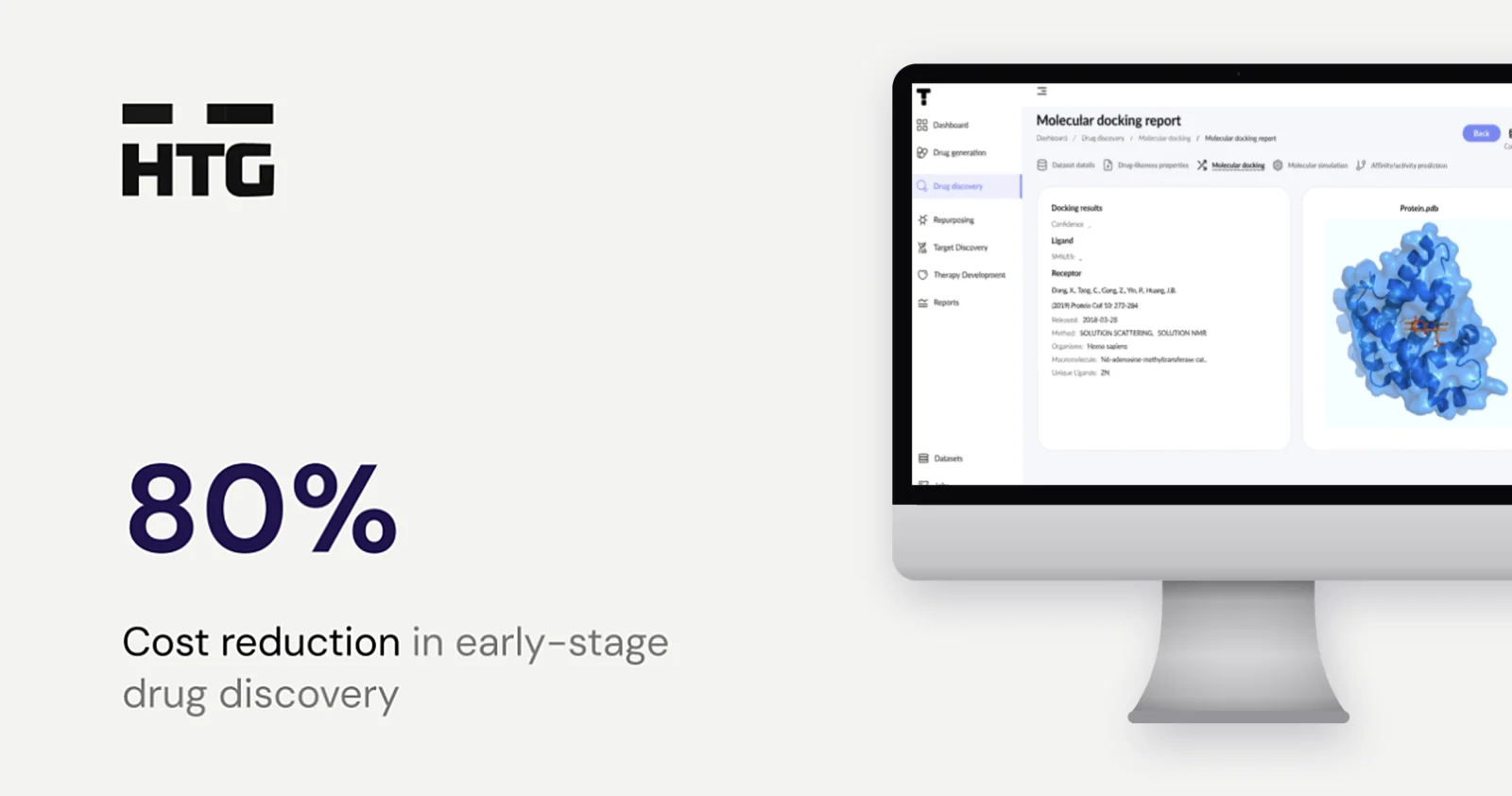
The team surpassed expectations on timelines, provided much needed guidance and overall input on design, all while operating with a high degree of autonomy.

Carl Kaub
Vice President of Chemistry at HTG Molecular DiagnosticBiotech
Industry
AI Ops & MLOps, Cloud Architecture, UI/UX Design
Services
USA
Location
$200,000 to $999,999
Budget
Business Impact You Can Expect
70%
Faster Multi-Omics ProcessingAutomated pipelines compress analysis cycles from weeks to days.
10×
Larger Analytical Search SpaceAI models connect signals across billions of multi-layered biological features.
>95%
Reproducibility in Data ProcessingFully versioned workflows eliminate variability and “script drift”.
5×
Faster Biomarker & Target DiscoveryAI models surface hypotheses early, accelerating decision-making.
FAQ
Questions R&D teams ask
01What does a multi-omics AI pipeline do?
It takes raw sequencing, proteomics, metabolomics, imaging, assay and clinical metadata files, runs automated QC and schema alignment, and turns them into analysis-ready datasets. Machine learning models then look for signals across the layers, such as biomarkers, patient subgroups or pathway activation, and results go to dashboards instead of manual reports.
02Which data types and analyses do you support?
RNA-seq, scRNA-seq and bulk RNA, mass-spec proteomics, metabolomics profiling, variant calling and ATAC-seq, plus imaging, functional assays, structural biology data and clinical metadata.
03How do you make bioinformatics results reproducible?
Every pipeline is version-controlled, with automated QC, consistent schemas and data lineage, so the same inputs give the same outputs and each result can be traced back to its raw files. This replaces ad-hoc scripts and spreadsheet-based workflows.
04Can the pipelines connect to our ELN or LIMS?
Yes. We build the infrastructure around your existing systems, including ELN and LIMS integration, automated data marts and audit-ready lineage, on secure infrastructure designed for HIPAA and GDPR requirements.
Let’s build your AI advantage
Whether you’re prototyping a molecule scoring system or looking to automate your clinical ops – we’ll help you turn your biotech data into competitive edge.