
Introduction
You built a working prototype in a weekend with Cursor, Lovable, Bolt or Claude Code. Investors liked the demo, and the first users are waiting. Then real traffic, real data and the first security review arrive, and the app that felt finished starts to crack.
Moving from prototype to production is where most AI-built products stall. This guide walks through the four steps our CTO as a Service team uses to take vibe-coded apps beyond the demo: audit, secure, rework and operate. It also covers what changes when your product has to pass regulatory review in medtech or pharma.
Related: For the earlier stage, read Proof of Concept for Biotech Startups: How to Build an Investor-Ready PoC Before Fundraising.

Why vibe-coded prototypes break in production
A vibe-coded app is optimized for one thing: showing that an idea works. AI coding tools are very good at that. They are much less reliable at the unglamorous work that keeps software running when nobody is watching.
The numbers back this up. In Veracode’s 2025 GenAI Code Security Report, AI-generated code introduced a security flaw in 45% of tests across more than 100 language models. In 2025, researchers also found 303 exposed database endpoints across 170 apps built with Lovable, because row-level security was missing or misconfigured (CVE-2025-48757).
The same problems show up in almost every AI-built prototype we review:
- 01
No real architecture
Business logic, data access and UI are tangled together, so every new feature breaks an old one.
- 02
Happy-path code
Errors, timeouts, empty states and concurrent users were never part of the prompt.
- 03
No tests
Nobody knows what a change will break until a user finds it.
- 04
Secrets in the code
API keys and database credentials sit in the repository or the frontend bundle.
- 05
Fragile dependencies
Packages were added because the model suggested them, not because anyone checked them.
- 06
No documentation
The only person who understands the code is the AI session that wrote it.
So is vibe coding bad? No. It is a fast, cheap way to validate an idea. The mistake is treating the prototype as the product.
Step 1: Audit your AI-generated code
Before you fix anything, find out what you actually have. An AI-generated code check answers three questions: what can stay, what must be rewritten, and what it will cost.
| A useful audit covers | What we check |
|---|---|
| Architecture | How the app is structured and whether it can grow without a rewrite. |
| Code quality | Duplication, dead code, inconsistent patterns and hidden complexity. |
| Security | Secrets, authentication, authorization and data exposure. |
| Dependencies | Outdated, abandoned or vulnerable packages and their licenses. |
| Data | Schema design, migrations, backups and personal data handling. |
| Test coverage | What is tested, what is not, and what is critical. |
The output
A gap analysis with a prioritized rework plan, not a list of complaints.
In our CTO as a Service engagements, this is the day-30 technical assessment: a written plan of what to keep, fix or rebuild, and in what order, that any competent team could carry out.
How to review AI-generated code
Review AI-written code more strictly than human code: it looks confident and is often subtly wrong.
- Critical paths firstSign-up, login, payments and anything that touches user data.
- Every external callError handling, timeouts and retries.
- Copy-paste logicNear-duplicates that should be one shared function.
- Scanners before eyesStatic analysis and dependency checks, then the line-by-line read.
- Explain it or rewrite itA block nobody on the team can explain is a block to replace.
Step 2: Close the security gaps
Vibe coding security risks are the most expensive to find late, because someone else usually finds them first. Close these before the first real user signs up.
Start with secrets. GitGuardian counted 28.65 million new hardcoded secrets in public GitHub commits in 2025, 34% more than a year earlier.
| Risk | What to do |
|---|---|
| Exposed secrets | Move keys to a secrets manager and rotate any that were committed. |
| Broken access control | Check permissions on every API endpoint, not just in the UI. |
| Missing input validation | Validate on the server and use parameterized queries. |
| Open database rules | Lock rules down so users read only their own rows. |
| Unvetted packages | Pin versions, drop unused ones and scan them in CI. |
| No security logs | Log sign-ins and access so incidents can be traced. |
Health, financial or children’s data? Add a privacy review now: encryption, retention and consent are hard to bolt on later.
Step 3: Rework architecture, tests and CI/CD
Vibe coding cleanup is not a rewrite: keep what works, replace what will not survive growth.
Refactor in layers
Split UI, logic and data access. Start where change and risk are highest.
Test where failure hurts
Auth, payments and data writes first. A regression test for every bug you fix.
Automate CI/CD
Every change built, tested, scanned and deployed the same way, AI-generated code included.
Write down decisions
An architecture note and a README, so a team, not one AI session, owns the code.
Step 4: Infrastructure, monitoring and scaling
A prototype runs wherever the AI tool deployed it. A production app needs an environment you control.
- Separate development, staging and production
- Infrastructure as code you can rebuild and audit
- Monitoring and alerts with a named owner
- Backups proven by a real restore
- Load testing before launch, not after
- Code in your own Git repository, with a tested rollback
Decide early whether to stay on the AI builder’s hosting or move the code to your own cloud account. Built-in hosting is convenient, but you depend on the platform’s plans, regions and uptime, and moving later gets harder once real customer data lives there.
Then check cost. Hosting and AI API bills can outgrow revenue once real users arrive.
A prototype MVP in two weeks, then backend and EMR/EHR integration, secure cloud APIs, FDA/CE compliance workflows and a pilot rollout with early adopters by week seven.
Check how these principles are applied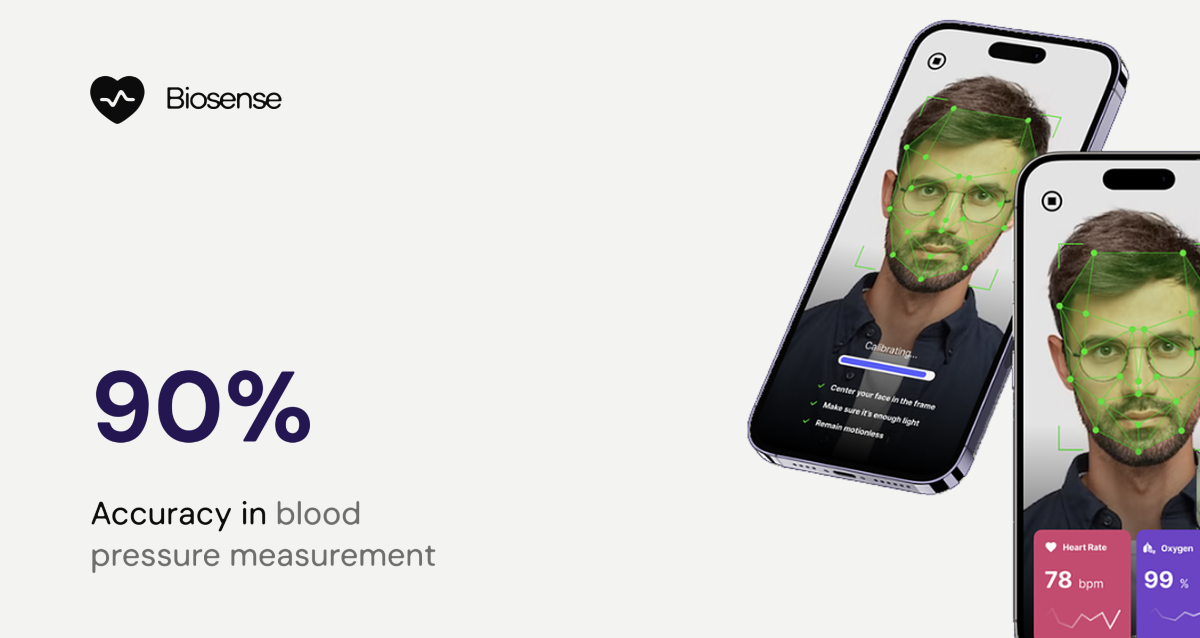
Prototype to production in regulated industries: medtech and pharma
In regulated industries, working software is not enough. Regulators want evidence of how it was built. A vibe-coded prototype usually has none, which is why enterprise vibe coding in healthcare needs a different path to production.
If your product is or may become medical device software, plan for:
IEC 62304
A defined software lifecycle, safety classification and traceability from requirements to code to tests.
ISO 14971
A documented risk management process covering how software failures could harm patients.
FDA and EU MDR
Design controls, verification and validation records, and a technical file that holds up in review.
GxP and data integrity
For pharma and lab software: audit trails and validated systems.
The good news: a prototype can still be valuable. It captures requirements and user feedback that feed the formal design. In practice, teams keep the validated idea and parts of the code, then rebuild the critical modules inside a compliant process, with documentation created as they go rather than reconstructed afterward.
When we run CTO as a Service for medical device, IVD, eClinical or GxP software, the package follows an IEC 62304-aligned lifecycle, with traceability from requirements to tests and validation records.
A GPT-4o and Gemini prototype became a hybrid system with decision trees, a medical knowledge base, Dockerized microservices on Google Cloud and an automated CI/CD pipeline, handed over with tests and documentation in 24 weeks.
Check how these principles are applied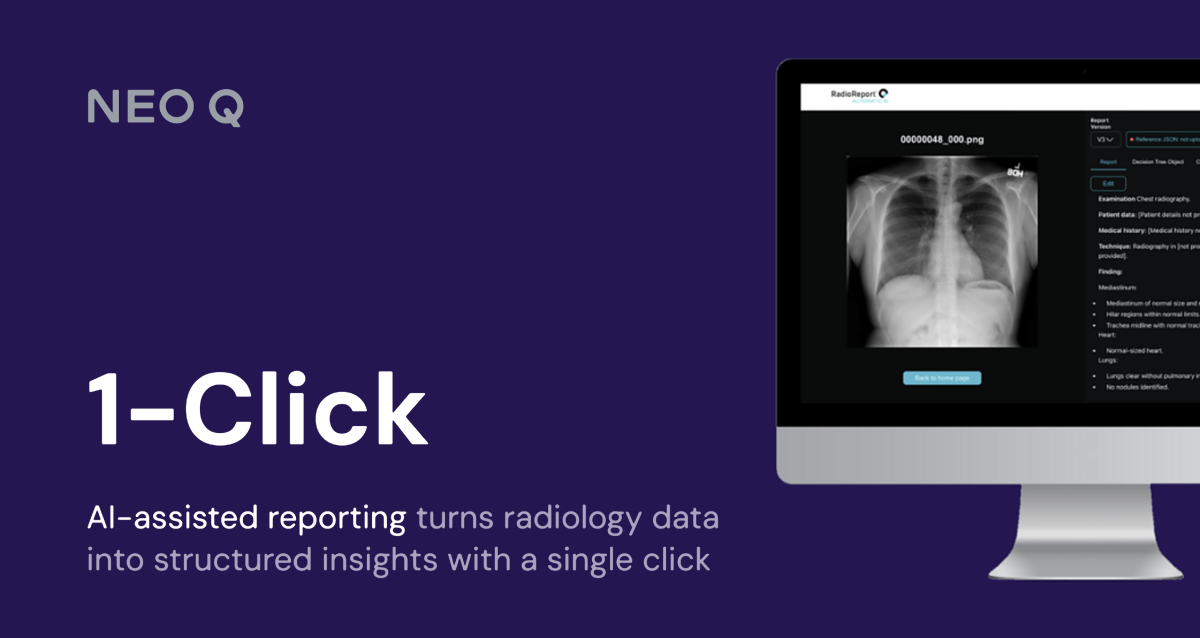
Vibe coding best practices for your next iteration
You do not have to stop using AI tools once you are in production. You have to use them inside guardrails.
- Write the spec first. Give the model requirements, constraints and the existing architecture, not just a feature idea.
- Keep changes small. Generate one module or function at a time, then review and test it before the next.
- Make tests part of the prompt. Ask for tests with every change and run them in CI.
- Never paste secrets into prompts or let generated code hard-code them.
- Keep a human owner for every module who can explain what it does and why.
That is how our own team works: AI coding agents draft code, tests and documentation, and a senior engineer reviews every change before it ships.
When to bring in a vibe coding cleanup specialist
Some teams can do this work in-house. Bring in outside help when:
- nobody on the team can confidently explain how the app works;
- you are about to onboard paying customers, raise a round or pass a security review;
- every new feature breaks something else;
- your product handles health, financial or other sensitive data;
- you need to meet IEC 62304, ISO 14971, FDA or EU MDR requirements.
A good partner starts with an audit, not a quote for a rewrite. You should leave the first engagement with a clear picture of what to keep, what to fix and in what order.
If you have no technical co-founder, a fractional CTO can own this work for you: the architecture, the rework plan and the team that carries it out. For a US healthtech startup, our team took a contactless vital-signs app from prototype to a pilot with early adopters in 7 weeks.
CTO as a Service
A named fractional CTO and a senior team on one monthly plan
Work starts within two weeks, with no equity, and everything lives in your own repositories and cloud accounts.
Checklist: Is your prototype production-ready?
Run through this list before you onboard paying users. Every unchecked item is a risk to close first.
Not ready yet. Keep it with test users and start with a code and security audit.
FAQ
01Is vibe coding bad for production apps?
No, but vibe-coded code is rarely production-ready as is. It is excellent for validating ideas quickly. Before real users and real data, it needs an audit, security fixes, tests and a deployment pipeline.
02Are vibe-coded apps secure?
Not by default. The most common issues are exposed API keys, missing access control on the backend and unvalidated input. A security review before launch catches most of them.
03How do you review AI-generated code?
Start with critical paths such as authentication, payments and data writes. Combine automated scanners with a line-by-line review of high-risk modules, and treat confident-looking code with extra suspicion.
04How much does vibe coding cleanup cost?
It depends on the size of the codebase, how much can be kept and whether compliance is required. That is why the first step should be an audit with a scoped rework plan, not a fixed quote for a rewrite. Our CTO as a Service packages start from $6,500 a month in the Americas (€5,500 in Europe, £5,100 in the UK) and include that 30-day technical assessment.
05How long does it take to go from prototype to production?
For a typical startup app, the audit takes days and the rework takes weeks. Regulated medical software takes longer, because documentation and verification are part of the work. For example, our team took a vital-signs app from prototype to a pilot with early adopters in 7 weeks.
06Do I need to rebuild a vibe-coded app from scratch?
Usually not. Most teams keep the validated product idea, the user flows and the parts of the code that pass the audit, then rework the backend, data layer and security underneath. A full rebuild makes sense when the data model or architecture cannot support the next stage, or when critical modules must be rebuilt inside a regulated process.
07Can you take over a prototype built with AI coding tools?
Yes. In our CTO as a Service engagements, the day-30 assessment shows which parts of the prototype can stay and what has to be rebuilt. Authentication, payments, data handling, tests and deployment are the usual gaps, and all work happens in your own repositories and cloud accounts.
08Can a vibe-coded prototype become regulated medical device software?
Yes, but not directly. The prototype can inform requirements and design, while critical modules are rebuilt inside an IEC 62304 and ISO 14971 compliant process with full documentation.
How Blackthorn AI takes prototypes to production
Through CTO as a Service, a named fractional CTO and our senior team take over AI-built prototypes: a technical assessment and 90-day roadmap by day 30, then shipped work every two weeks, inside your own repositories and cloud accounts. For medical software, we follow an IEC 62304-aligned process.
If your prototype is about to meet real users, investors or regulators, talk with us.