
Introduction
Technical due diligence is the part of a funding round where someone checks whether the product can actually do what the pitch deck says. For investors, it lowers the risk of buying into code that has to be rewritten. For founders, it decides how fast the round closes and how much of the valuation survives the data room.
This guide explains what tech due diligence covers, how the process runs, and the checklist we use with founders before they go out to raise. It also covers what changes when the product is AI-based or has to pass regulatory review in medtech or pharma.
Related: If your product was built with AI coding tools, read From AI-built prototype to production: how to make a vibe-coded app production-ready.
- 01ScopeAgree the questions
- 02ReviewCode, team, compliance
- 03ReportRisks in cost and time
- 04FixBefore or after the round
What is technical due diligence?
Technical due diligence (TDD), also called tech due diligence or technology due diligence, is an independent review of a company’s software, architecture, team and engineering practices. It answers three questions an investor cares about: does the technology work, can it scale with the business plan, and what will it cost to fix what is broken.
Good to know
It is not a code-quality score.
A good review ties every technical finding to money and time: a missing test suite becomes “three months of hardening before enterprise sales”, a single-person dependency becomes “key-person risk”.
Who needs it: founders before a round and investors
- 01
Investors
VC, PE and corporate venture teams commission technical due diligence to validate the thesis before a term sheet turns into a wire. The output feeds the investment memo, the price and any conditions in the deal.
- 02
Founders
A pre-round review, also called vendor or sell-side due diligence, lets you find and fix problems on your own schedule instead of explaining them under deadline to an investor’s advisor.
It matters most when:
- the product was built fast by a small team, an agency or with AI coding tools;
- the company sells into regulated markets such as medtech, pharma or finance;
- the round is large enough that the lead investor will send its own technical advisor;
- the CTO role is vacant, part-time or recently changed.
If the last point applies, a fractional CTO can fill the gap. In our CTO as a Service, your CTO covers the technical side of due diligence: technical slides, investor Q&A and investor meetings.
What a tech due diligence covers
A full review looks at eight areas. Each one has its own typical red flag.
| Area | What is checked |
|---|---|
| Architecture | System design, scalability, cloud setup, single points of failure.Red flag: a monolith that cannot handle the growth in the plan. |
| Code quality | Structure, test coverage, technical debt, AI-generated code.Red flag: no automated tests; large parts nobody on the team understands. |
| Security | Access control, secrets, dependencies, data protection.Red flag: credentials in the repository, no audit trail. |
| IP and open source | Code ownership, contractor agreements, licences.Red flag: copyleft licences in a proprietary product; code owned by an ex-agency. |
| Data and AI/ML | Data provenance, model validation, monitoring.Red flag: training data without rights or documentation. |
| Team and process | Roles, bus factor, CI/CD, release cadence.Red flag: one engineer holds all production knowledge. |
| Compliance | GDPR, HIPAA, IEC 62304, ISO 14971, FDA / EU MDR where relevant.Red flag: medical software built without a documented lifecycle. |
| Roadmap and cost | Whether the plan is realistic for the team and budget.Red flag: the roadmap assumes a team twice the current size. |
Open-source licences are among the most common findings. In Black Duck’s 2026 OSSRA report, which analysed 947 commercial codebases reviewed by its audit team, 98% contained open source and 68% had licence conflicts, the highest share in the report’s history.
A legacy two-file codebase became modular code with linters and security scanning (pylint, mypy, bandit), model obfuscation and encryption, cross-platform builds, and unit, integration and end-to-end tests at 90%+ coverage.
Read the case study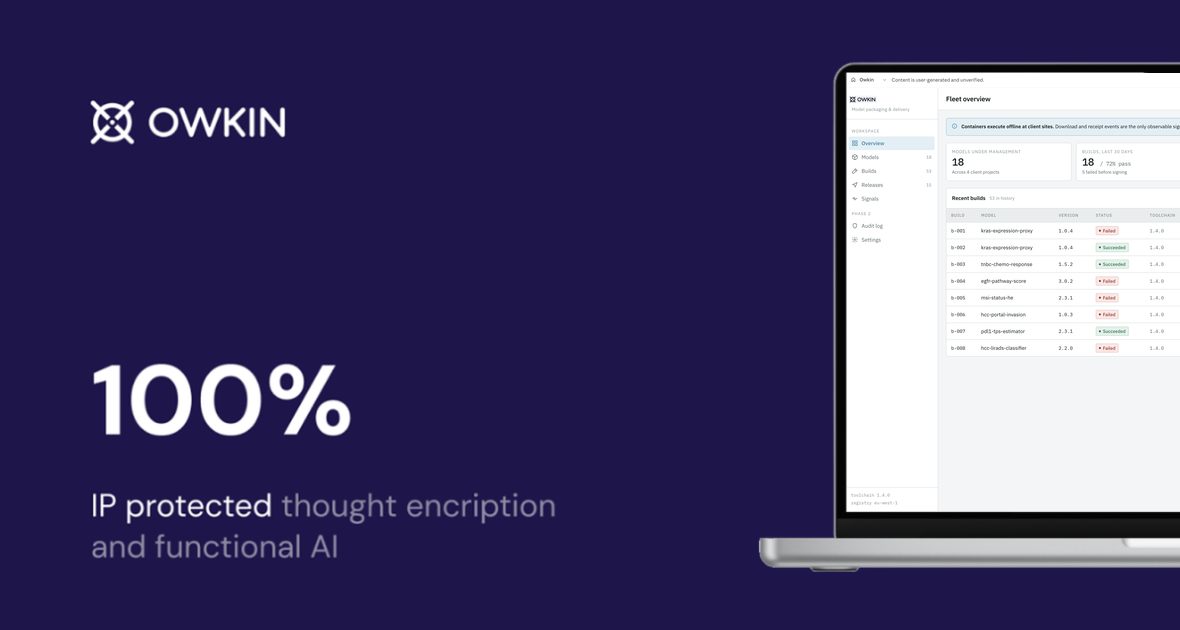
The technical due diligence process
For an early-stage company, the review usually takes one to three weeks. Larger, multi-product companies take longer.
- ScopingAgree the questions to answer, the stage of the company and the depth of the review.
- Data room and accessRead-only access to repositories, cloud accounts, architecture docs, ticketing and CI/CD.
- InterviewsSessions with the CTO, lead engineers and product owner to understand decisions and constraints.
- Hands-on reviewCode and architecture analysis, security and dependency scans, licence checks, infrastructure review.
- Findings and scoringEach issue rated by severity and translated into cost, time and deal impact.
- Report and readoutA written technical due diligence report plus a walkthrough with the decision makers.
- Remediation planFor founders, a prioritised list of what to fix before the round. For investors, input to price, conditions and the 100-day plan.
What goes into a technical due diligence report
A useful report is short at the top and detailed underneath. It should include an executive summary with a clear verdict, a risk register with severity and estimated remediation effort, an architecture overview, findings per area, and a recommended roadmap.
The output
A risk register tied to cost and time, not a list of complaints.
Investors read the first two pages; engineers read the rest. Both should leave knowing what to fix first.
Red flags investors look for
The findings that most often change a deal are not about code style:
- 01
Unowned IP
Code written by contractors or an agency without a signed IP assignment.
- 02
Security gaps
Customer data exposed through missing access control or leaked credentials.
- 03
No path to certification
A product that cannot pass the regulatory review its market requires.
- 04
Key-person risk
A team that cannot ship or deploy without one specific engineer.
Each of these can be fixed, but fixing it after the term sheet costs more and moves the closing date.
Preparing a biotech demo for a pre-seed round? See Pre-Seed Biotech Demos: Technical Red Flags and Signals.
FDA/CE compliance workflows and clinical validation studies on diverse cohorts were part of the plan from week five, ahead of a pilot rollout with early adopters by week seven.
Read the case study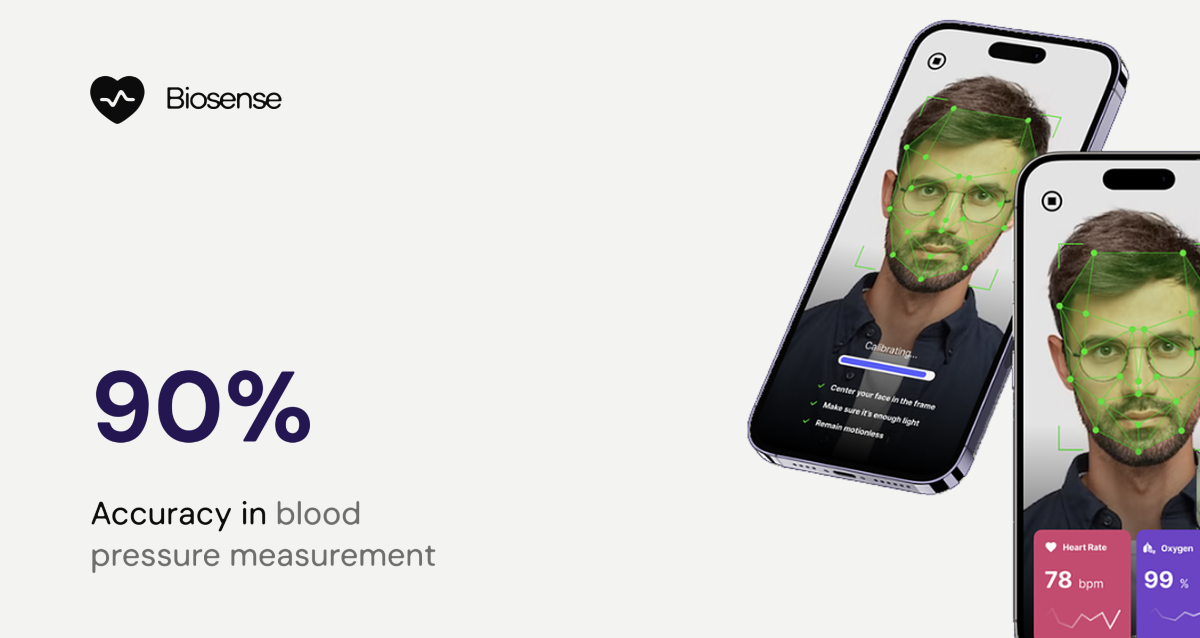
Technical due diligence for AI and medtech products
AI and regulated products carry risks that a general software review misses. An AI model needs documented data provenance, validation and monitoring. Medical device software needs a lifecycle, a risk management file and traceability that a notified body or the FDA will accept. If the product was assembled quickly with AI coding tools, the review also has to confirm that the team can maintain it.
AI due diligence should also check the code the tools wrote. In Veracode’s 2025 GenAI Code Security Report, AI-generated code introduced a security flaw in 45% of tests across more than 100 language models.
- IEC 62304
- ISO 14971
- FDA
- EU MDR
- AI / ML
- Medtech
- Biotech
CTO as a Service
Engineering and regulatory readiness before the round
For AI, biotech and medtech founders: a fractional CTO and senior team deliver a written technical assessment by day 30, fix what investors would flag and handle the technical side of due diligence.
Checklist: Are you ready for technical due diligence?
Tick what is already true for your company before you open the data room.
Your score
0 of 11
Not ready yet. Run a pre-round review so investors do not find these gaps first.
FAQ
01How long does technical due diligence take?
For most seed to Series B companies, one to three weeks from access to report. Larger, multi-product companies take longer.
02Who performs technical due diligence?
Usually an independent technical advisor commissioned by the investor: senior engineers or former CTOs who review the code, architecture, team and processes. Some funds have in-house technical partners. For AI or medical products, the reviewer should also understand model validation and the regulatory path. Founders can commission the same review for themselves before a round.
03What is the difference between commercial and technical due diligence?
Commercial due diligence tests the market: its size, the competition, the customers and whether the revenue plan holds up. Technical due diligence tests the product: whether the technology works, whether it can scale with that plan and what fixing it will cost. Investors often run both, alongside financial and legal due diligence.
04Should founders do technical due diligence before raising?
Yes, especially when the product was built fast or the round is large enough for the lead investor to send a technical advisor. A pre-round review lets you fix problems on your own schedule and open the data room with answers ready, instead of explaining gaps under deadline.
05Will an AI-built prototype pass technical due diligence?
Rarely as it is. Reviewers look for tests, security, documentation and at least one engineer who understands the code, and AI-built prototypes usually miss several of these. A focused hardening phase (audit, security fixes, tests, CI/CD) closes most gaps without a rewrite. Our guide on making a vibe-coded app production-ready walks through the steps.
06How much does technical due diligence cost?
It depends on scope: the size of the codebase, how many products and teams are reviewed, how deep the hands-on review goes and whether regulatory documentation is checked too. For founders, our CTO as a Service packages include a written technical assessment by day 30 and start from $6,500 a month (€5,500 in Europe, £5,100 in the UK) on a 12-month term.
07What is the difference between a code audit and technical due diligence?
A code audit looks at the code itself: structure, quality, security and maintainability. Technical due diligence includes a code review but also covers architecture, infrastructure, team, IP, data and compliance, and turns each finding into cost, time and deal impact.
How Blackthorn AI runs technical due diligence
We run technical due diligence for AI, biotech and medtech companies, so the review covers both the engineering and the regulatory path. Founders get a prioritised fix list before the round; investors get a risk register they can price.
For founders without a full-time CTO, the same work runs inside CTO as a Service: a written technical assessment by day 30, the fixes in two-week sprints, and a CTO who handles the technical side of due diligence.
If you are preparing for a round or evaluating an investment, talk with us.